Food Dehydrators
Turn simple ingredients into something worth keeping.
Explore food dehydrators for fruits, vegetables, herbs and other prepared ingredients. A thoughtful countertop setup gives you space to prepare batches gradually, organize drying trays and make food preparation feel more intentional.

A practical way to work with seasonal ingredients.
Food dehydration uses controlled heat and airflow to gradually remove moisture from prepared ingredients. For everyday kitchens, the experience is largely about good preparation: consistent slicing, organized trays and enough capacity for the amount you plan to dry.
Prepare pieces with similar thickness to create a more organized tray layout.
Match tray capacity to smaller everyday batches or larger preparation sessions.
Leave enough countertop room around the appliance for comfortable daily use.
One appliance, several kinds of preparation.
The ingredients you prepare influence the tray arrangement, drying time and routine around the appliance. Start with the foods you expect to make most often.
Fruit Slices
Prepare apples, citrus and other suitable fruits in organized layers for a straightforward countertop drying routine.
Herbs
Smaller ingredients can be arranged carefully across suitable trays or mesh surfaces according to the appliance instructions.
Vegetables
Uniform preparation and thoughtful tray spacing can make vegetable drying easier to organize from start to finish.
Prepared Snacks
Explore recipes designed for dehydrator use while following the preparation, temperature and food-safety guidance appropriate to each ingredient.
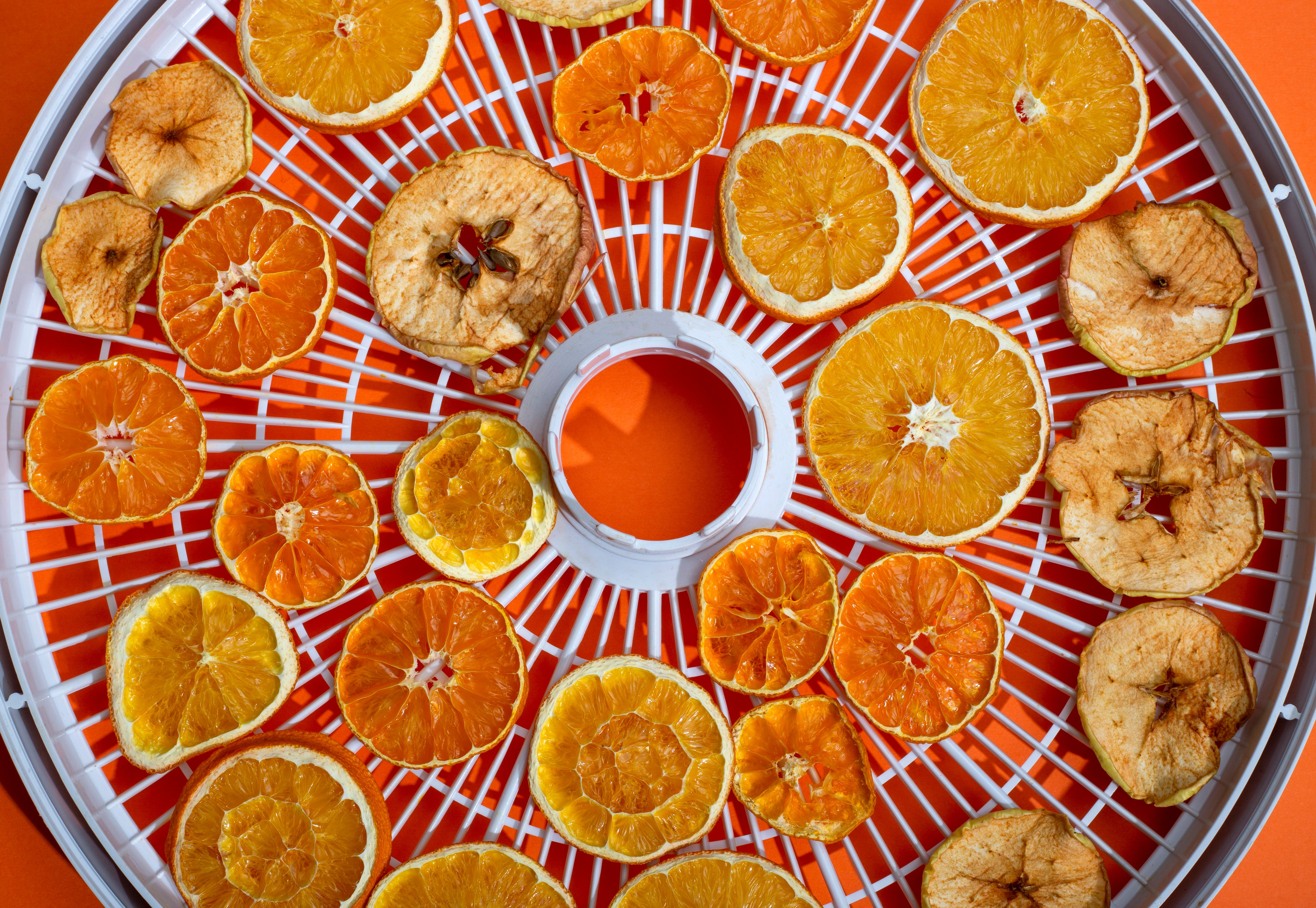
Good drying starts before the trays go in.
A food dehydrator works best as part of an organized preparation routine. Give yourself enough counter space to wash, slice, arrange and remove ingredients without crowding the appliance.
-
01
Prepare ingredients evenly.
Similar sizing makes it easier to arrange food consistently across the available drying surface.
-
02
Arrange rather than crowd.
Follow the appliance guidance for spacing so air can move through the tray layout as intended.
-
03
Use settings appropriate to the food.
Different ingredients call for different preparation and drying conditions, so follow the product instructions and recipe guidance.
-
04
Allow food to cool before storage.
Follow appropriate storage guidance after drying so prepared ingredients can be handled and stored correctly.
Think about trays, batches and countertop space.
Dehydrators can take different forms. The right format depends on how much you plan to prepare, where the appliance will live and how you prefer to load each batch.

Vertical countertop format
Stackable trays can make use of vertical space while keeping several drying levels organized within one countertop footprint.

Compact daily preparation
A smaller footprint can suit kitchens where dehydration is an occasional part of meal preparation rather than a large-batch routine.
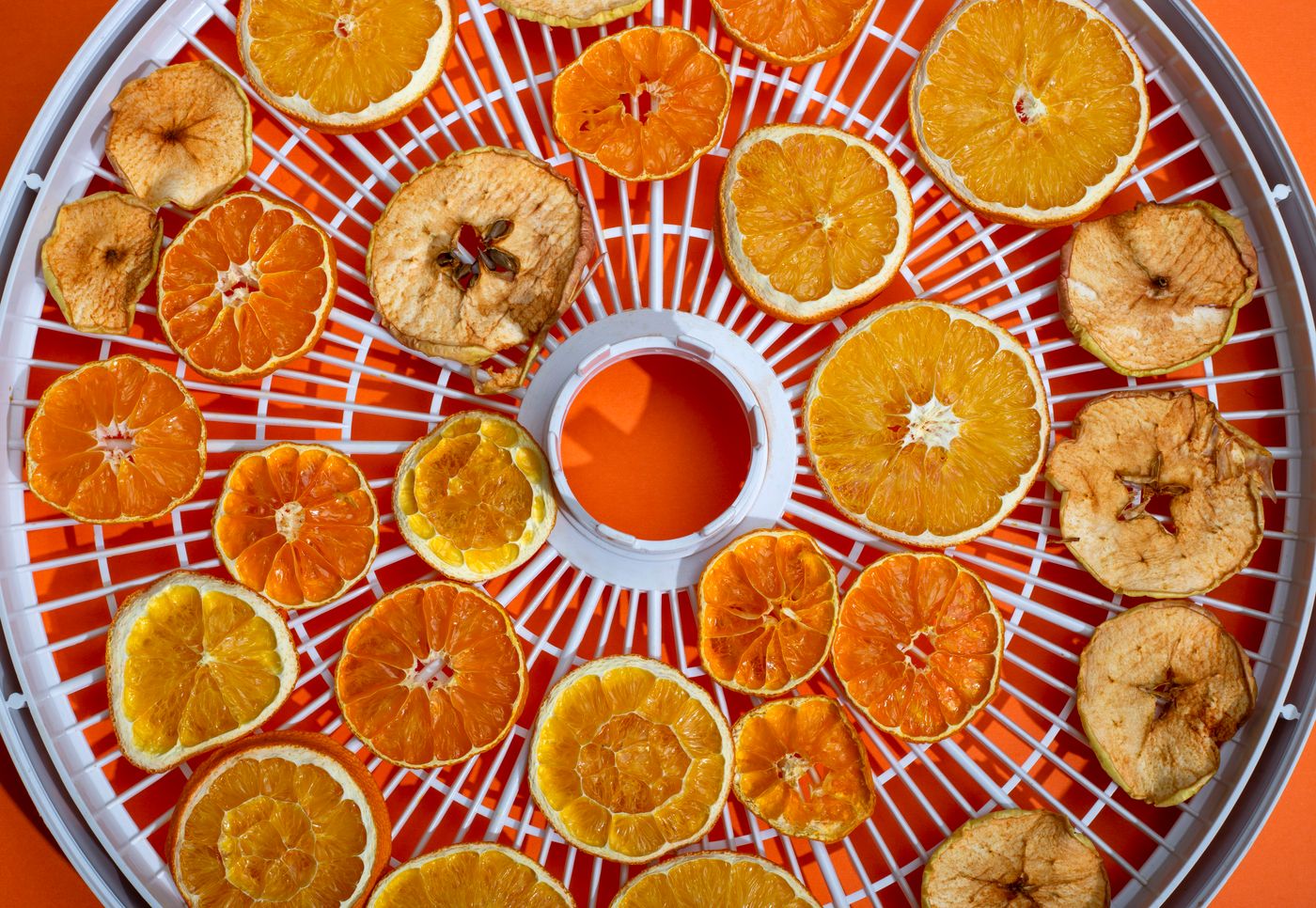
Make the drying surface work for you
Think about how easily trays can be loaded, checked and cleaned when comparing appliances for regular kitchen use.
Keep the workflow organized from cutting board to storage.
Dehydration takes time, but the active preparation can remain simple when each part of the kitchen routine has a clear place.
Keep the cutting area and empty drying trays close enough that ingredients can be arranged without unnecessary movement.
A deliberate loading routine helps keep similar ingredients grouped and makes the process easier to manage.
Plan appropriate containers before a batch is finished so the final step does not create extra countertop clutter.

Four details that shape everyday dehydrator use.
Look beyond the appliance exterior and consider the parts of the routine you will interact with each time you prepare a batch.
Tray Capacity
Choose the amount of drying surface around the batch sizes you expect to prepare most often.
Countertop Size
Account for the appliance footprint as well as the room needed to remove and load trays comfortably.
Control Layout
A clear interface can make setting and checking a drying cycle easier as part of an everyday kitchen routine.
Easy Cleanup
Consider how trays, inserts and food-contact surfaces fit into the cleanup routine after each batch.
Useful questions before adding one to your kitchen.
Capacity, preparation space and the foods you expect to dry are good starting points when comparing dehydrators.
What can I prepare in a food dehydrator?
Depending on the appliance and recipe, dehydrators can be used for suitable fruits, vegetables, herbs and other prepared foods. Always follow the instructions and food-specific preparation guidance for the model you use.
How do I choose the right dehydrator capacity?
Think about how often you expect to use it and how much food you normally prepare at one time. Smaller batches may suit a compact format, while frequent preparation can make additional tray space more useful.
Why does food preparation matter before drying?
Consistent preparation makes the tray layout easier to organize. Follow the appliance instructions for slicing, spacing, preparation and settings appropriate to each ingredient.
How much counter space should I allow?
Allow room for the appliance itself and enough working space to load or remove trays. Follow the manufacturer's placement and ventilation guidance for the dehydrator you use.
How should dried food be stored?
Storage needs depend on the ingredient and preparation method. Follow appropriate cooling, packaging, food-safety and storage guidance for the food you have prepared.
Where can I get help choosing CulinaVolt appliances?
If you need help navigating CulinaVolt products or collections, contact our team before ordering and we can help you review the available options.
Give everyday ingredients more room to become something useful.
Explore CulinaVolt kitchen appliances with a focus on practical food preparation, organized countertop routines and thoughtful everyday functionality.